
Ruston Previous Residents by Era
No single source covers every year or every person at a Ruston address. The strongest first record depends on the period. Recent work starts with the parcel and deed index. Earlier work often needs a city directory, a released census, or a newspaper notice. The table keeps the known coverage limits visible so an empty search is not mistaken for proof that nobody lived there.
| Source | Years covered | Where held | What it shows |
|---|---|---|---|
| Clerk recording index | Current-year index public; older online cutoff unpublished | Lincoln Parish Clerk, Clerk Connect, eClerksLA | Parties, dates, document type, legal description |
| GIS parcel and 911 layers | Current service; revision fields vary | Lincoln Parish GIS | Current parcel, owner label, situs address, mailing address |
| Ruston directories | Evidence for 1913-14 and a 1968-era reference; full run unverified | State Library, local library, FamilySearch | Name-to-address or address-to-occupant entries when an edition exists |
| Federal census | Released decennial schedules under the 72-year rule | NARA, library databases, FamilySearch | Households at the enumeration date |
| Ruston newspapers | Predecessor 1905-06; Daily Leader 1906-32; successor title thereafter | Library and newspaper archives | Obituaries, legal notices, social and civic items |
| Greenwood Cemetery | Established 1886; current map and occupant list | City of Ruston | Burial, plot, and death clues |
Use the newest dated source that clearly matches the parcel, then move backward. A directory year can fill a gap between deeds, but it should not replace the deed chain. The published Ruston directory run is incomplete, so record both a successful match and a confirmed coverage gap.
Fix the Ruston Address First
Before tracing previous residents, save the street spelling, house number, ZIP, GIS point, ParcelId, CAMAKey, subdivision, lot or section, and legal description. The mapped address is the situs address, meaning the place where the parcel sits. The mailing address is where the assessor sends tax mail. Those two addresses can differ.
The Lincoln Parish GIS viewer links the current map to parcels, 911 points, roads, structures, ZIPs, municipal limits, and the Ruston Historical District. Its data are a working copy, not a survey or legal ruling. Preserve the source date and screen details, then use the Clerk's legal description to confirm identity.
Key distinction. An assessor owner label names the tax-record owner, not every person who occupies the Ruston property.
Ruston Deeds Lead Backward
The Lincoln Parish Clerk Recording Department indexes conveyances by parties and legal description. A grantor transfers an interest; a grantee receives it. A chain of title is the linked series of those transfers for the same land. The legal description identifies the land by lot, block, subdivision, section, or other recorded terms and usually survives a street-label change better than a postal address.
- Find the current owner, ParcelId, and legal description through GIS or the assessor.
- Search that owner as grantee and capture the purchase deed, seller, date, entry number, and book or page.
- Search the seller as an earlier grantee. Confirm that the legal description matches before accepting the link.
- Repeat the process backward. Keep mortgages, releases, liens, and plats separate from ownership transfers.
- When the online results stop, give the Clerk the last entry and ask for the next deed book, microfilm range, or archive series.
eClerksLA and Clerk Connect provide index routes, but official pages do not state Lincoln Parish's full online cutoff or image span. A blank result can mark an access limit. It does not prove the title trail ended.
Ruston Residents Between Sales
Owners and occupants are different groups. Relatives, boarders, and other people who do not own the home may never appear in a conveyance. Reverse or criss-cross directories arrange entries by address, making them useful for asking who lived here before. The exact Ruston run has not been verified, so ask State Library or Lincoln Parish Library staff for a volume by year and parish rather than assuming every year exists.
Pair a directory page with the nearest released census schedule. Then compare names, ages, relationships, and the neighboring households recorded by the enumerator. The full shelf and entry conventions belong to the Ruston city directory collections; here, each edition serves as one dated point in an address timeline.
Note: A directory omission may reflect a missing edition, a spelling variant, or a move between publication and census dates.
Date a Ruston Structure
A parcel can be older than the building on it. Compare GIS improvement and value context with the Ruston Inspections permit route, public agendas, legal notices, maps, and the earliest directory or newspaper reference. MyGovernmentOnline handles permit accounts and payments, but the city page does not publish a complete public history range or unauthenticated field list.
Sanborn fire-insurance maps can show building footprints, construction details, and street labels by edition. Library of Congress instructions explain how to search by city, edition, and sheet, but the research did not verify a Ruston sheet set. Treat that as a catalog question, not permission to claim a map exists for a certain year.
Ruston Address Changes Need Proof
Ruston controls street names and bars duplicate or closely similar names. Current rules require a formal hearing and a petition signed by 51 percent of present residents for a later name change. They also require written notice and display of a 911 address. No official renumbering or annexation chronology was found.
Bridge an old label with plats, legal descriptions, 911 revision fields, newspaper variants, and Clerk entries. Do not join two homes just because their street names look alike. For a new or disputed number, retain the GIS notice, USPS result, and deed description as separate dated records.
Ruston Obituaries Close the Trail
The Daily Leader title ladder gives previous-resident research a useful date spine. Its predecessor ran in 1905-06, The Daily Leader from 1906 through 1932, and a successor title followed. Obituaries, succession notices, legal ads, school items, and civic reports may connect a named person to an address or family, though page access depends on the library or archive.
For a deceased owner, follow obituary to cemetery, then succession or probate, heir or representative, and later conveyance. The Clerk's civil office holds probate material. An heir named in a file is not automatically a resident or current owner.
The Greenwood Cemetery map and occupant list add burial and plot clues. Because the cemetery includes unknown and unmarked graves, silence in the list is not conclusive.

The captured city resource supplies a direct route to the cemetery list and map, which should be paired with an obituary or probate file.
Ruston Memory Beyond Indexes
The Lincoln Parish Museum holdings add built-environment and family context from the late nineteenth century, including the 1886 Kidd-Davis home, artifacts, murals, and recorded parish stories.
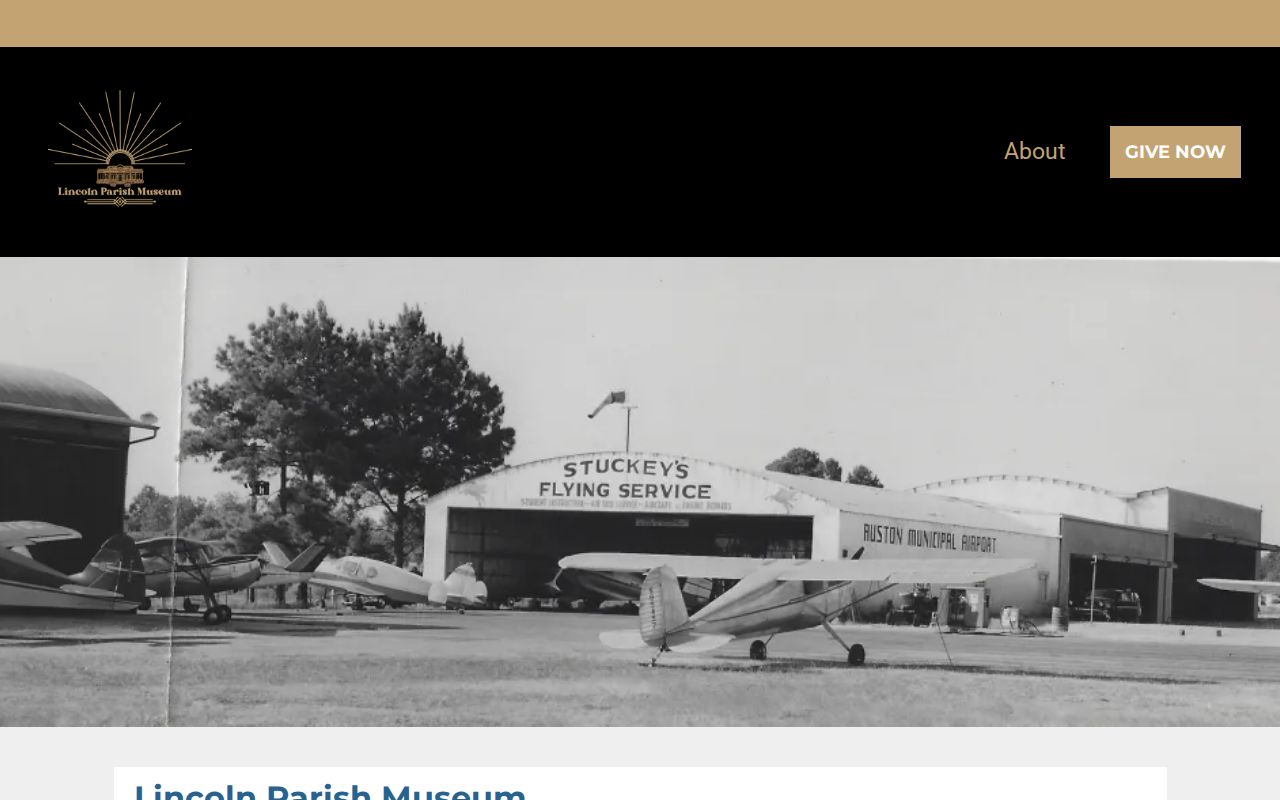
Museum evidence can supply a family, institution, or neighborhood name that never appears in the parcel index. Treat oral history as a lead and confirm its dates with deeds, newspapers, or census schedules.
The Louisiana State Archives catalog extends the search to historical vital indexes, census, church, military, and assessment material. Catalog coverage varies, so a focused request should include the person, parish, approximate date, and record type.
This route is most useful after a deed, directory, or obituary has supplied a name and date range.
Rate Each Ruston Resident Link
Build one row per dated finding: date, address form, parcel or legal description, person, role, source, and confidence. A direct deed with a matching legal description ranks above an index-only hit. A map-only owner label, directory-only occupant, or obituary clue should keep its narrower label.
- Direct
- A deed or certified record matches the land and named party.
- Corroborated
- Two independent dated sources connect the same person and address.
- Clue
- One directory, map, notice, or obituary suggests the link but does not prove it.
- Conflict
- Street labels, dates, roles, or legal descriptions disagree and need more work.
This method keeps a seller, estate representative, or tax-mail recipient from being miscast as a past resident. It also makes the finished history reproducible.
Keep negative findings too. Record the exact spelling, date range, parish choice, match mode, and whether an image was available. If eClerksLA returns an index line but not the document, save the entry number and ask the Recording Department for the copy route. If a library catalog has no Ruston volume for the target year, ask staff whether the item is uncataloged, held on microfilm, or absent. A clear gap prevents later researchers from repeating the same search and discourages a false story built from the nearest available name.
Conflicts are normal in a long address trail. A newspaper may use a familiar road name while a deed uses a subdivision and lot. A directory may print initials while probate spells out the full name. Preserve both forms and state why the records are thought to match. The best bridge is a shared legal description, parcel identifier, spouse or relative, or dated chain of transactions, not a hunch based on a common surname.
Use Ruston Previous Residents Lawfully
House history, family history, heir research, and the study of a Ruston neighborhood are sound reasons to trace old records. Limit conclusions to what each public document shows. Do not publish sensitive details about living people, and do not use an old address trail to follow or intimidate anyone.
Lawful use. Previous-resident research is for history and legitimate personal inquiry. Never use it to stalk, harass, threaten, or harm a living person.